The Organization and the Machine · August 1, 2026 · 2 min read
The Midnight Agent
Rebriefing an agent at midnight is self-management with no schedule and no witness. AI agents don't dissolve the injunction to govern yourself alone - they relocate it, and concealment does the rest.
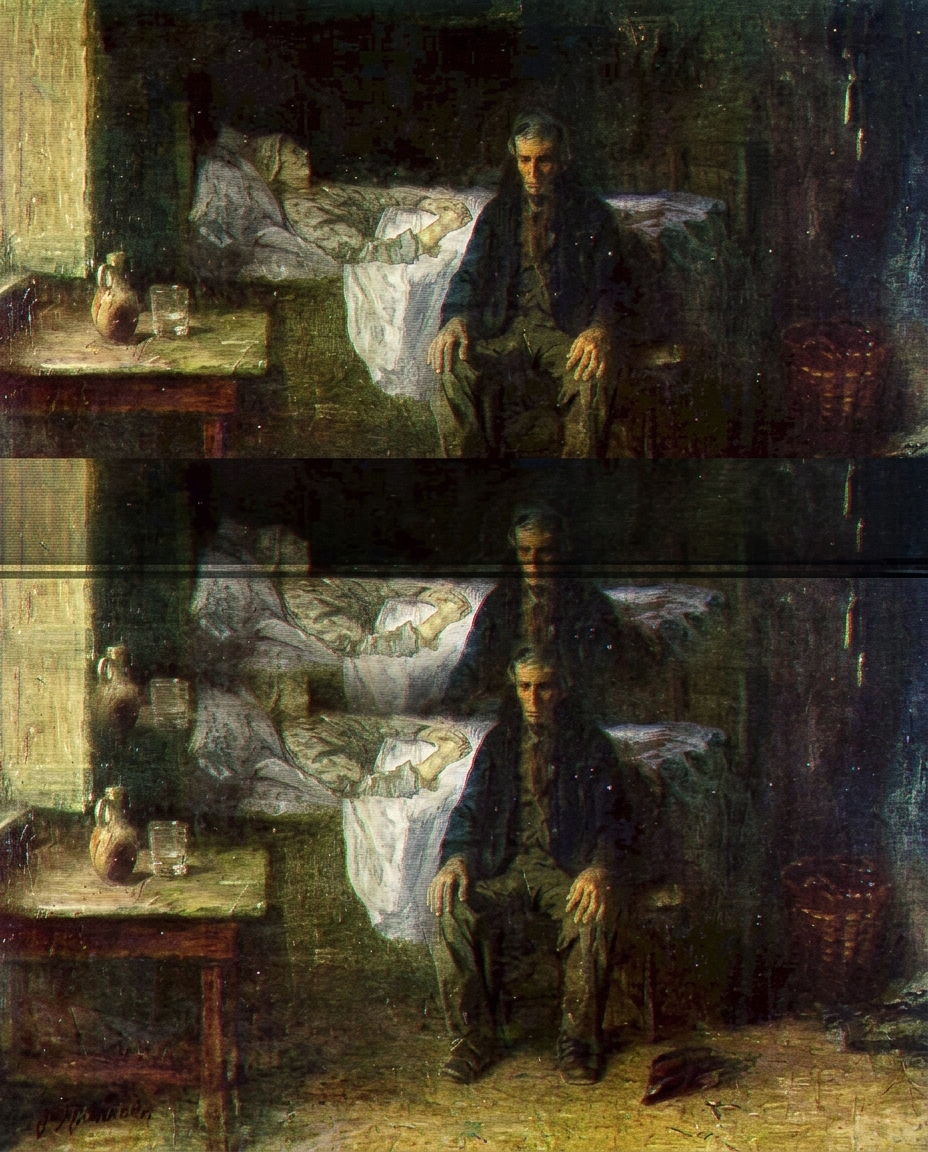
It’s past midnight. You’re rewriting a prompt for the third time. Not because the agent doesn’t understand — because you’re not sure what you’re actually asking it to do. You adjust, rerun, watch the output. You call this delegation.
It isn’t.
Management without support
In The Weariness of the Self, Alain Ehrenberg describes a precise regime: the modern individual is no longer subject to external law — they are subject to themselves. The injunction is no longer obey. It’s decide, initiate, manage yourself. What collapses isn’t freedom. It’s the structure that used to hold you up.
AI agents arrive inside this regime and promise to ease it. The promise is real. So is the displacement: what they don’t do is decide. They wait for the brief, the frame, the orchestration logic. And that conversation happens alone, late, in a space no one else sees.
The floor hasn’t disappeared. It’s just been emptied of everyone else.
Autonomy without witness
Bernard Stiegler spoke of the proletarianization of knowledge: the moment a skill is offloaded into a tool without being transmitted or discussed. What’s lost isn’t just the gesture — it’s the social circuit that gave it meaning. Configuring an agent alone, building a pipeline alone, setting validation criteria alone: these are decisions that, under any other regime, would be talked through.
Inside a prompt, they happen in silence. And because they accumulate in silence, they never lighten.
It isn’t autonomy that exhausts you. It’s autonomy without witness.
What you hide, you keep carrying
Many people working with agents do so quietly. The workflow stays in the machine; the delegation is never acknowledged. Fear of looking less capable. That diffuse sense that handing something to a machine is a form of cheating.
This is the exact mechanism that turns an offloading tool into a silent extension of the fatigue. A hidden workflow doesn’t relieve the load — it adds the weight of maintaining the illusion on top of the work itself.
You only truly delegate what you’re willing to admit you delegated.
The difference isn’t technical
Real relief has conditions. Stable memory, so you’re not re-transmitting context from scratch every session. Orchestration that’s set and left to run — not manually supervised at every step. And above all: openly owning the delegation. Telling clients, peers, colleagues what you’ve handed to the machine and why.
That last point closes the circuit that proletarianization had torn open. It turns a solitary decision into something that can be discussed, adjusted, shared.
The answer isn’t fewer agents. It’s less concealment.
As long as the answer stays me, alone, in a prompt at midnight, the agent amplifies exactly what Ehrenberg diagnosed as pathological.
References
Authors cited
The letter
Analysis, reversals, tenable hypotheses.
SUBSTACK · NAKKAMA.SUBSTACK.COM